top of page

Real Estate Pool Inspection

Main drain problems can be easy to miss but very serious if they’re ignored. As the underwater “vacuum point” of your pool, the main drain needs to be in good shape and fitted with a safe, modern anti‑vortex cover. At Jay’s SCUBA Services, we repair main drains and replace outdated drain covers without draining your pool.

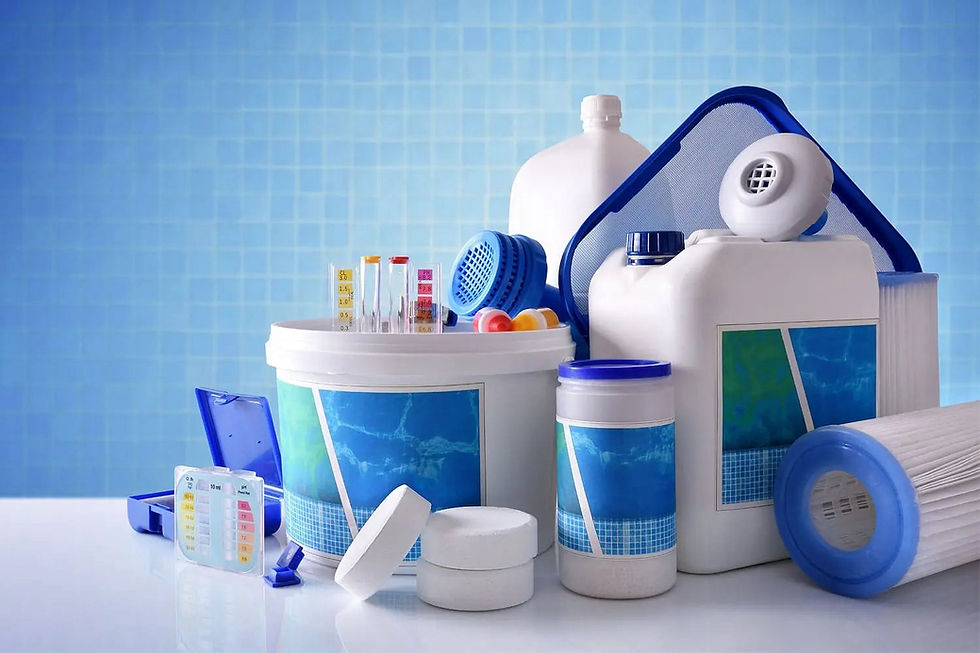
Why Your Pool Keeps Using So Many Chemicals (And How to Stop Wasting Money)

Writer: jay leos
jay leos
Aug 1
3 min read

“I’ve spent hundreds of dollars on pool chemicals, and my water still isn’t right!”

If that sounds familiar, you’re not alone.

As the owner of Jay’s Scuba Services & Pool Repair, I hear this from pool owners every week. Many people think the solution to every pool problem is another bucket of shock, another bottle of algaecide, or another trip to the pool store.

The truth is, chemicals are often treating the symptoms—not the problem.

Why Am I Using So Much Pool Chlorine?

One of the most common questions homeowners ask is:

“Why does my pool keep eating chlorine?”

There are several possible reasons:

  • A hidden pool leak that constantly dilutes your water chemistry

  • Heavy rain adding fresh water

  • High swimmer load

  • Intense summer sunlight

  • Low cyanuric acid (stabilizer)

  • Algae beginning to grow—even before you can see it

Many homeowners assume they just need more chlorine. Sometimes they do—but often that’s only part of the solution.

Is Your Pool Leak Costing You More Than You Think?

Every time you add fresh water because your pool is losing water, you’re also replacing:

  • Chlorine

  • Salt

  • Stabilizer (CYA)

  • Alkalinity

  • Calcium hardness

  • Other balancing chemicals

You’re literally pouring expensive chemicals down the drain.

Over an entire swimming season, a slow leak can cost hundreds of dollars in wasted chemicals—before you even consider the cost of the water itself.

Signs You May Have a Pool Leak

You should investigate further if:

  • Your pool loses more than 1/4 inch of water per day

  • You add water every few days

  • Your chlorine never seems to last

  • Your chemical readings swing wildly

  • You notice soft spots or wet ground around the pool

  • Your water bill suddenly increases

These signs don’t always mean there’s a leak, but they’re worth checking before spending more money on chemicals.

Stop Guessing

Too many homeowners do this:

Cloudy water → Add shock

Still cloudy → Add clarifier

Still green → Add algaecide

Still losing chlorine → Buy more chlorine

Repeat…

Instead of guessing, identify the actual cause.

My Professional Advice

After inspecting hundreds of pools underwater, I’ve found that the most expensive mistake isn’t buying the wrong chemical.

It’s continuing to buy chemicals when the pool has another problem entirely.

Fix the leak.

Repair the damaged fitting.

Replace the broken gasket.

Then balance the water.

Everything becomes easier—and cheaper.

Pool Chemicals I Actually Recommend

Not all pool chemicals are bad. Quality products are essential when used correctly.

I recommend:

  • A high-quality liquid test kit for accurate water testing

  • Liquid chlorine or cal-hypo shock when appropriate

  • Stabilizer only when testing shows it’s needed

  • Baking soda for raising total alkalinity

  • Muriatic acid for lowering pH (used carefully)

  • Enzymes only when they solve a specific issue—not as a cure-all

The key is testing first, treating second.

The Bottom Line

If you’ve been saying, “These pool chemicals are driving me nuts,” you’re probably frustrated because you’re treating symptoms instead of solving the underlying issue.

Before buying another cart full of chemicals, ask yourself:

Is my pool losing water?

Is there another reason my chemistry won’t stay balanced?

Finding the real problem can save you hundreds of dollars, countless trips to the pool store, and a lot of frustration.

Need Help?

At Jay’s Scuba Services & Pool Repair, we specialize in professional underwater pool inspections, leak detection, and repairs throughout Connecticut. If your pool won’t hold water—or your chemistry just won’t stay balanced—we can help you find the cause so you can spend less time fighting your pool and more time enjoying it.



Recent Posts

See All
Spring time pool opening and water loss.

. Spring Pool Opening in Connecticut: What to Do When You Discover a Leak By Jay, Owner of Jay’s Scuba Services & Pool Repair – Trumbull, CT Every spring, pool owners across Connecticut pull off the w


Comments


What is a main drain and why does it matter?

The main drain is usually located at the deepest point of your pool. It helps:

  • Pull water toward your filter system
  • Keep deep water circulating
  • Remove debris and dirt that sink to the bottom

If the cover is damaged, loose, or missing, it can create:

  • Dangerous suction on swimmers
  • A place for toes, fingers, or hair to get trapped
  • A safety and liability risk for homeowners, property managers, and Realtors

Modern, VGB‑compliant anti‑vortex covers are designed to spread out the suction and reduce entrapment risk.

Signs your main drain needs service

You may need a main drain inspection or repair if you notice:

  • A cracked, faded, or brittle drain cover
  • Screws missing from the cover
  • A cover that spins, wobbles, or feels loose
  • Unusual noises or reduced flow at the equipment
  • Air bubbles returning through your returns or at the surface

Even if everything “looks fine,” older covers may no longer meet current safety standards.

How Jay’s SCUBA Services fixes main drains

We specialize in underwater repairs, so most main drain work is done without draining your pool. That means:

  • No refilling thousands of gallons
  • No rebalancing all your chemicals from scratch
  • Less downtime for your pool

Typical steps include:

  1. Underwater inspection – We visually and physically inspect the main drain, cover, screws, and surrounding surface.
  2. Safety and code check – We confirm whether your existing cover is compliant and correctly sized for your system.
  3. Cover replacement – We remove the old cover and install a new, properly rated anti‑vortex cover with the correct hardware.
  4. Minor repairs if needed – If the drain body or surrounding surface needs small fixes, we address those while we are underwater.
  5. Final test – We check flow, suction, and fit so your system runs smoothly and safely.

Ideal for homeowners, HOAs, and real estate

Safe, up‑to‑date main drains matter for:

  • Homeowners who want a safer pool for family and guests
  • Property managers / HOAs who must reduce liability and avoid unsafe equipment
  • Real estate inspections where pool safety is part of the sale decision

An updated, properly installed anti‑vortex cover is a simple upgrade that can prevent serious problems later.

Serving Connecticut & Westchester County, NY

Jay’s SCUBA Services provides underwater main drain repair and anti‑vortex cover replacement throughout Connecticut and Westchester County, NY. All work is performed by a professional diver using specialized tools and techniques designed for underwater repairs.

Schedule a main drain inspection

If you’re unsure about the condition or age of your main drain cover, it’s time for a professional look. Contact Jay’s SCUBA Services to schedule:

  • Main drain inspections
  • Anti‑vortex cover replacement
  • Combined leak detection and safety checks

We’ll help you keep your pool safe, compliant, and ready to swim—without draining it.

bottom of page